

Secret Sauce
When choosing a camera brand, specifications aren’t the only thing that matters. Color rendering can have a significant influence on how your photographs look and feel.
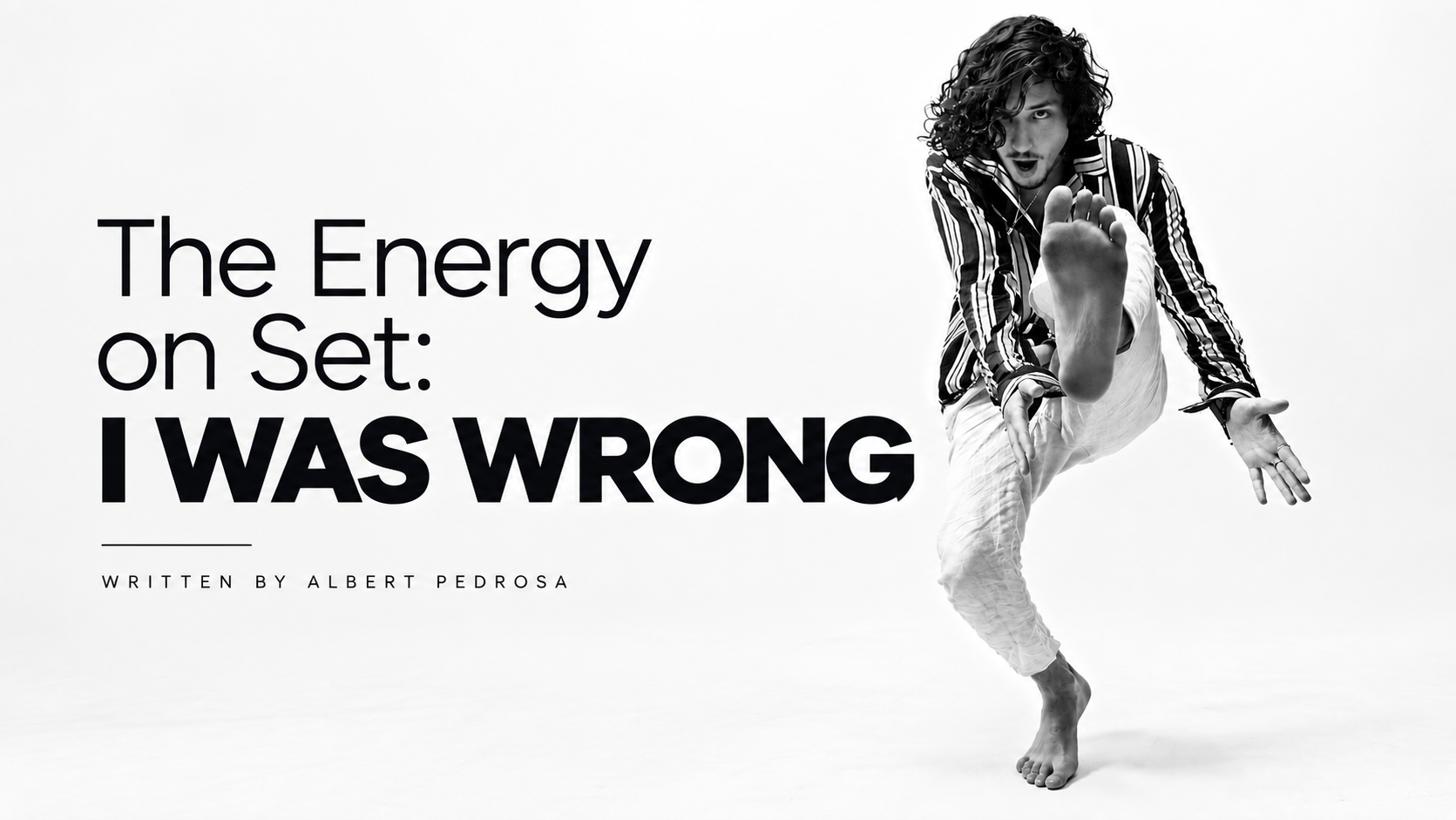
The Energy on Set: I Was Wrong
I used to believe that the photographer had to be the biggest voice on set. After years of teaching photographers and observing my students, I realized that creative leadership isn’t about being loud. It’s about clarity, communication, and having a vision everyone can understand.
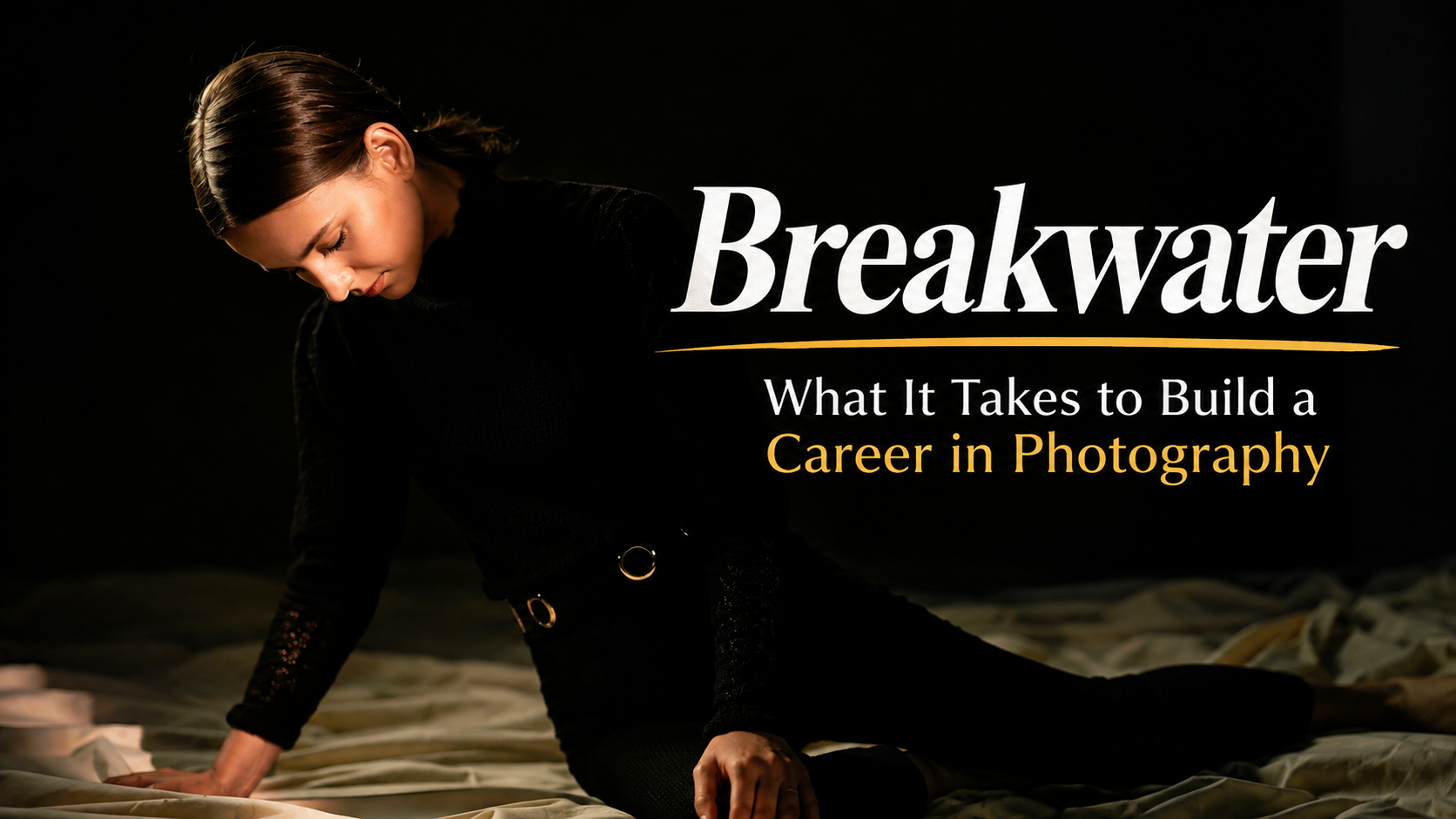
Breakwater: What It Takes to Build a Career in Photography
Building a career in photography is not just about learning the technical skills. It is about filling the void with knowledge, experience, and inspiration—and having the persistence to keep pushing through every challenge.
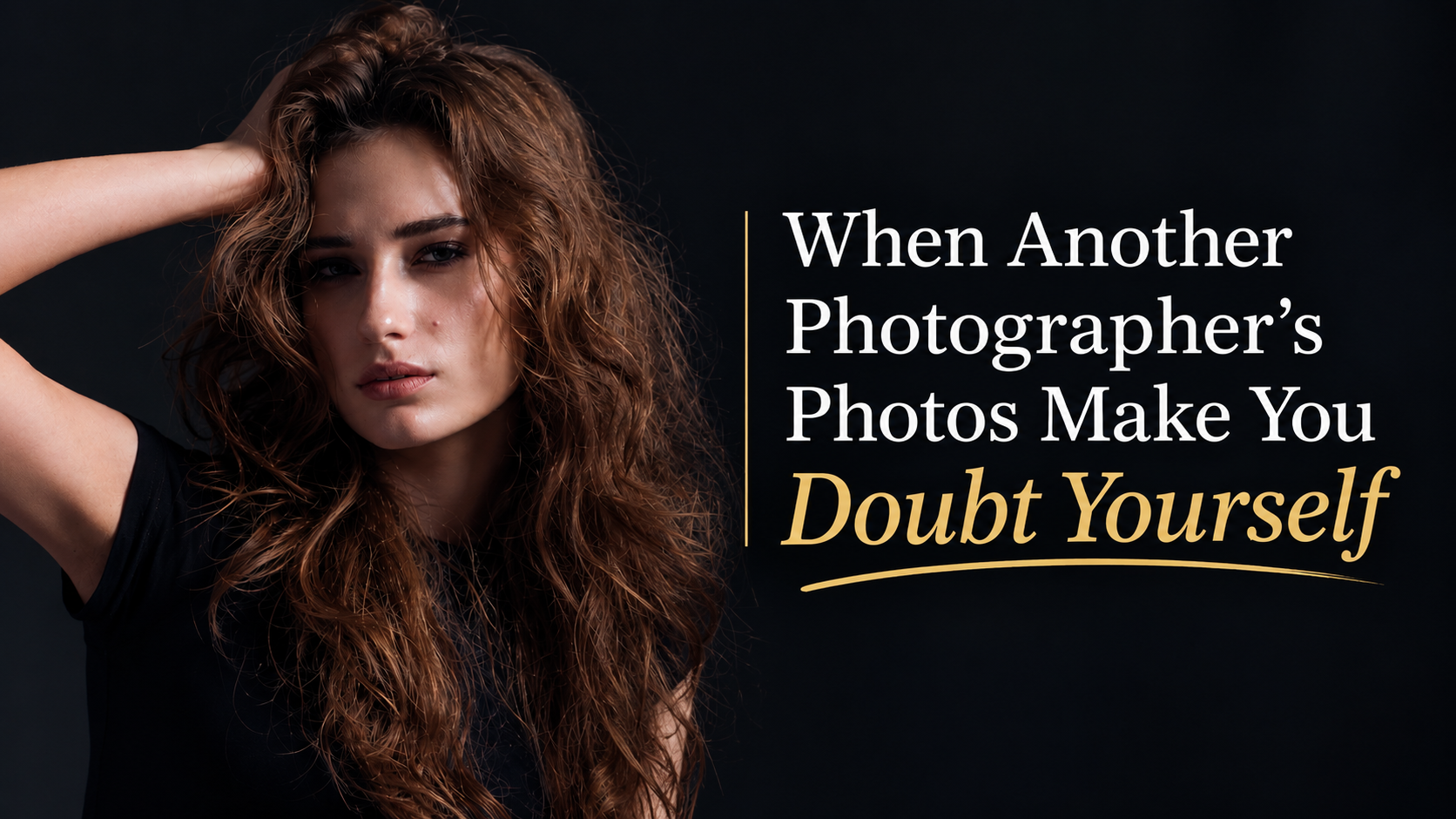
When Another Photographer’s Photos Make You Doubt Yourself
Every photographer has experienced it. You finish a photo shoot feeling proud of your work, only to see the same model post photos from another photographer that seem even better. Self-doubt creeps in, comparisons begin, and confidence starts to fade. Here’s why that feeling is normal—and how embracing your own artistic identity can help you move forward.
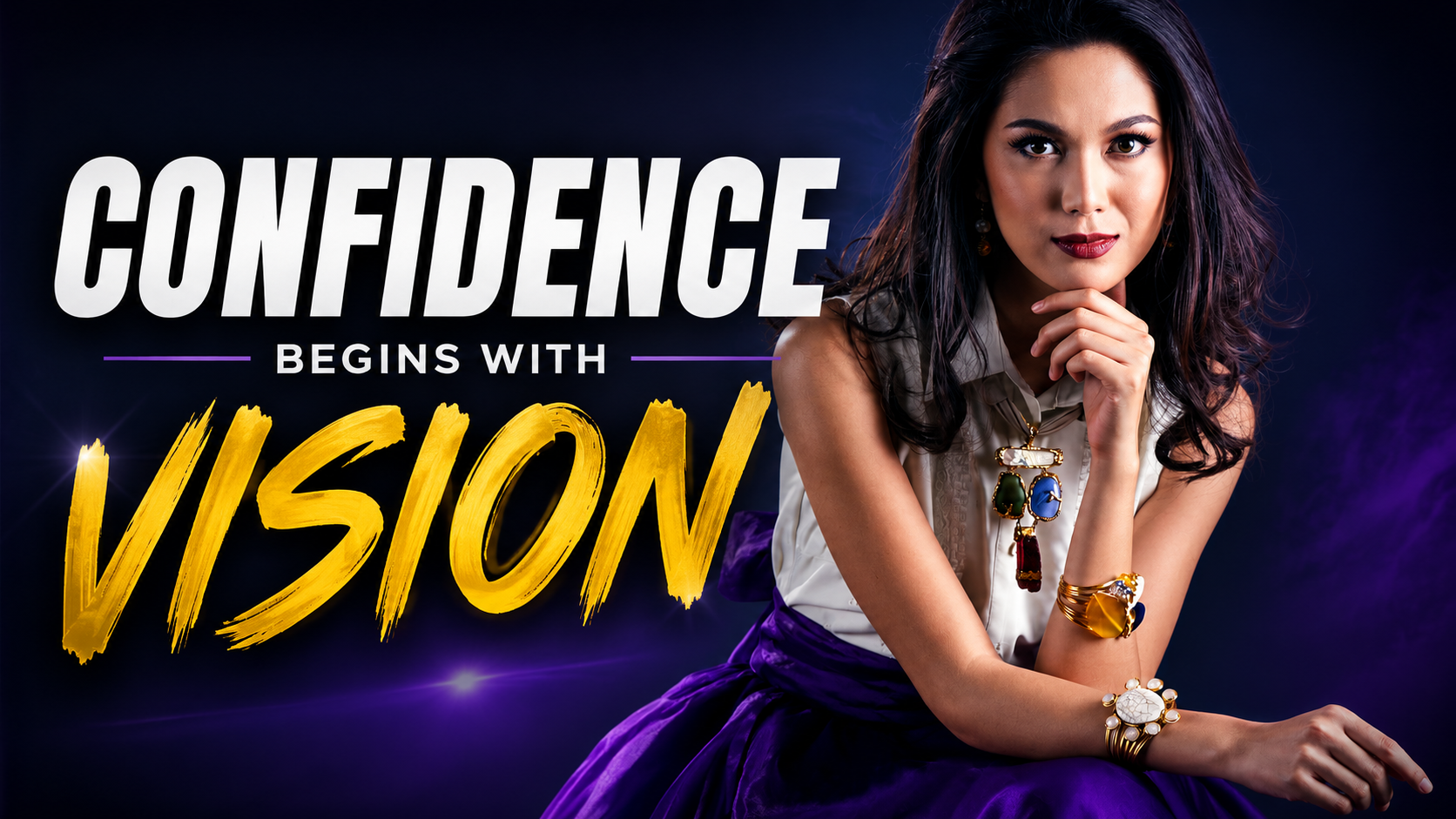
Confidence Begins with Vision
Many photographers believe they lack confidence because they don’t know what to say to a model. In reality, confidence begins long before the conversation starts. It starts with having a clear vision of the image you want to create and learning how to communicate that vision effectively.
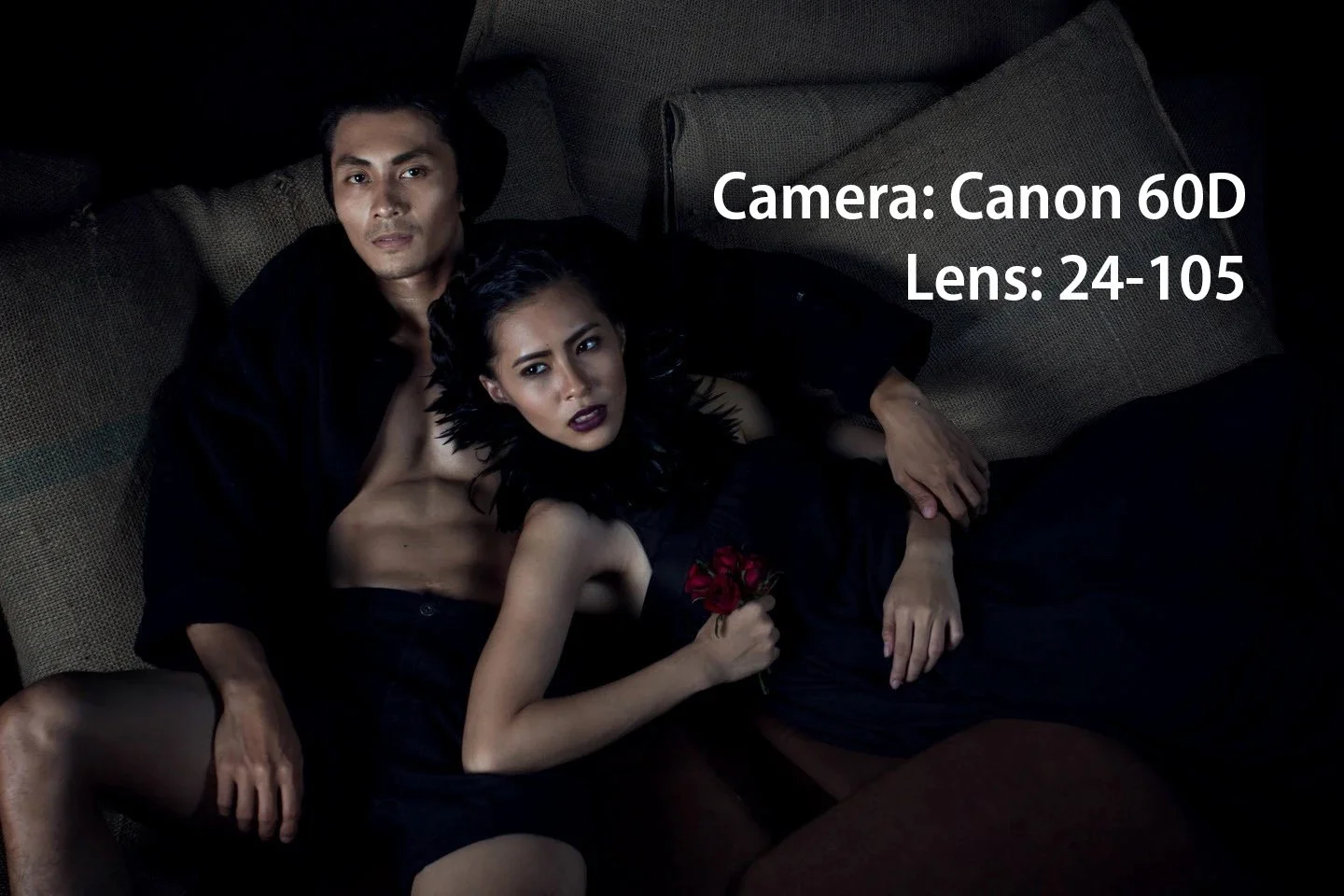
Do You Really Need Expensive Camera Gear?
Many beginners believe an expensive camera will instantly improve their photography. The truth is that professional gear is built for speed and reliability—not to magically create better images. Learn when it’s worth upgrading your camera and why investing in your skills should always come first.
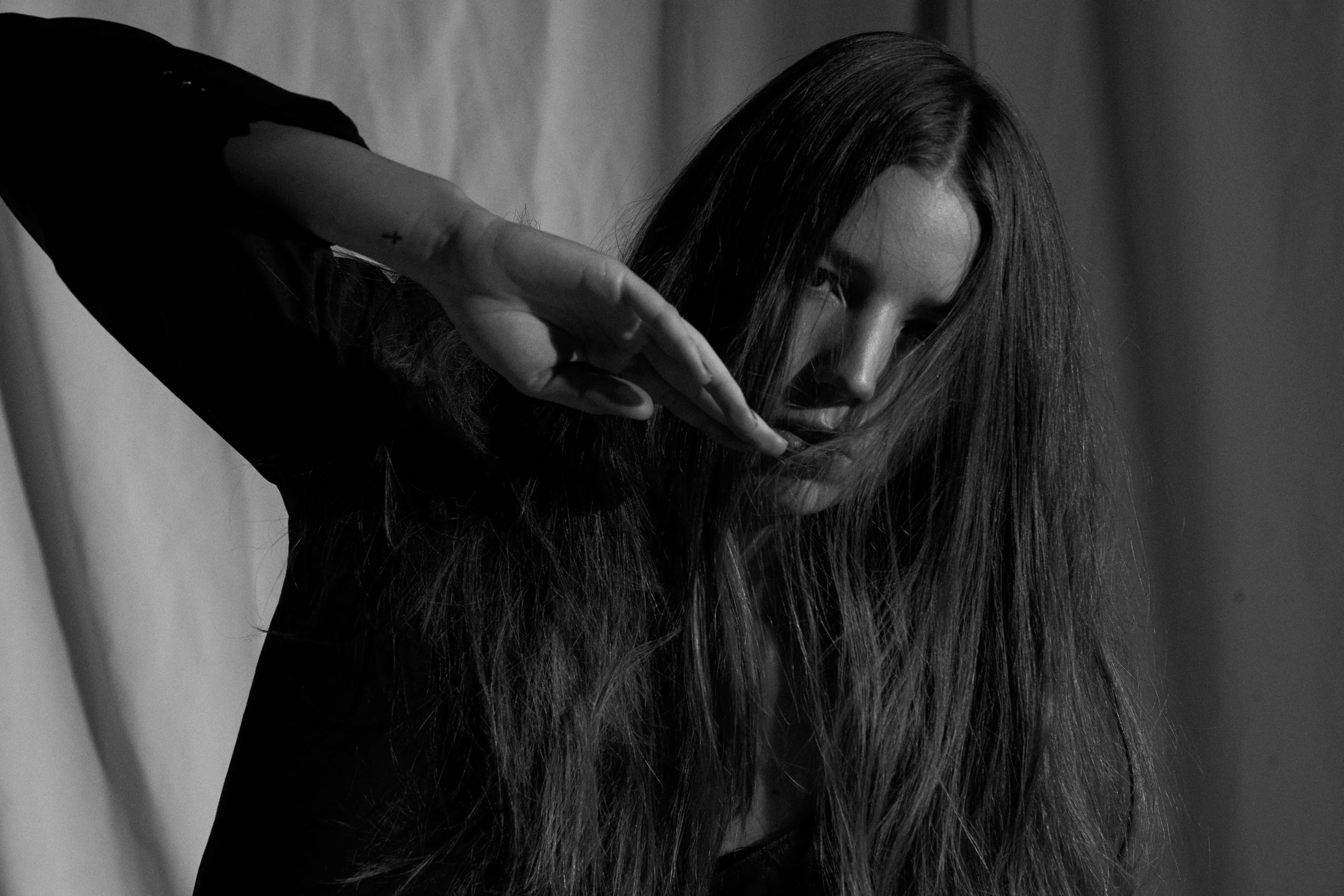
The Circus of Emotions
Every artist goes through an emotional battle with self-doubt. After the final presentations in my fashion photography class, my students shared the fears they had kept hidden throughout the process. Their stories reminded me that creativity isn’t just about making beautiful work—it’s also about learning to live with the circus of emotions that comes with it.
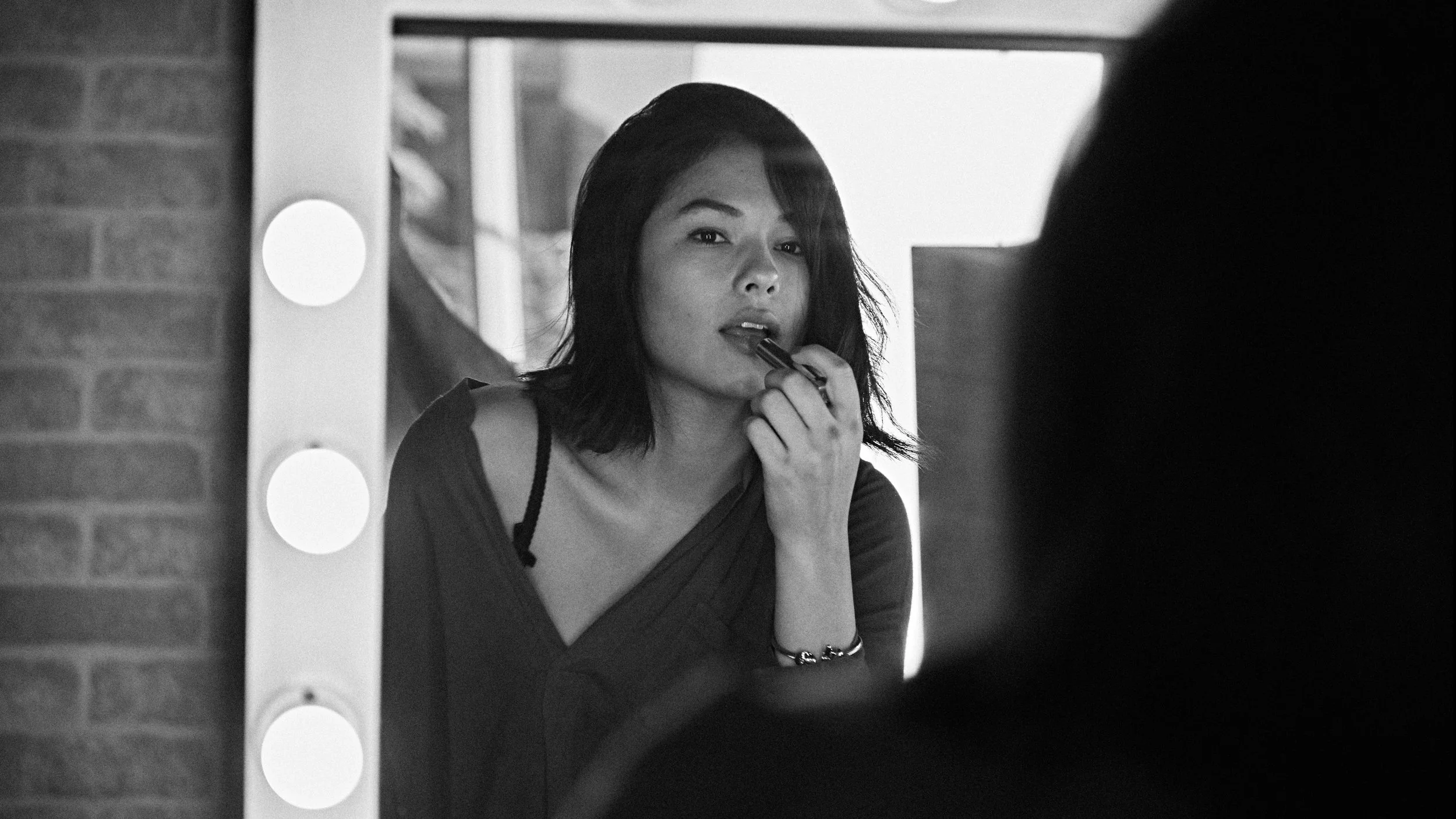
The Element Of Surprise
Back in 2004, I had the opportunity to attend a shoot and workshop with Xander Angeles. During one of the sessions, I asked him how he prepared for an editorial or personal shoot. I simply wanted to know if my process was similar to that of other photographers.
His answer completely changed my perspective.
He said, “You’ll lose the element of surprise.”
At first, I didn’t know what to make of it.
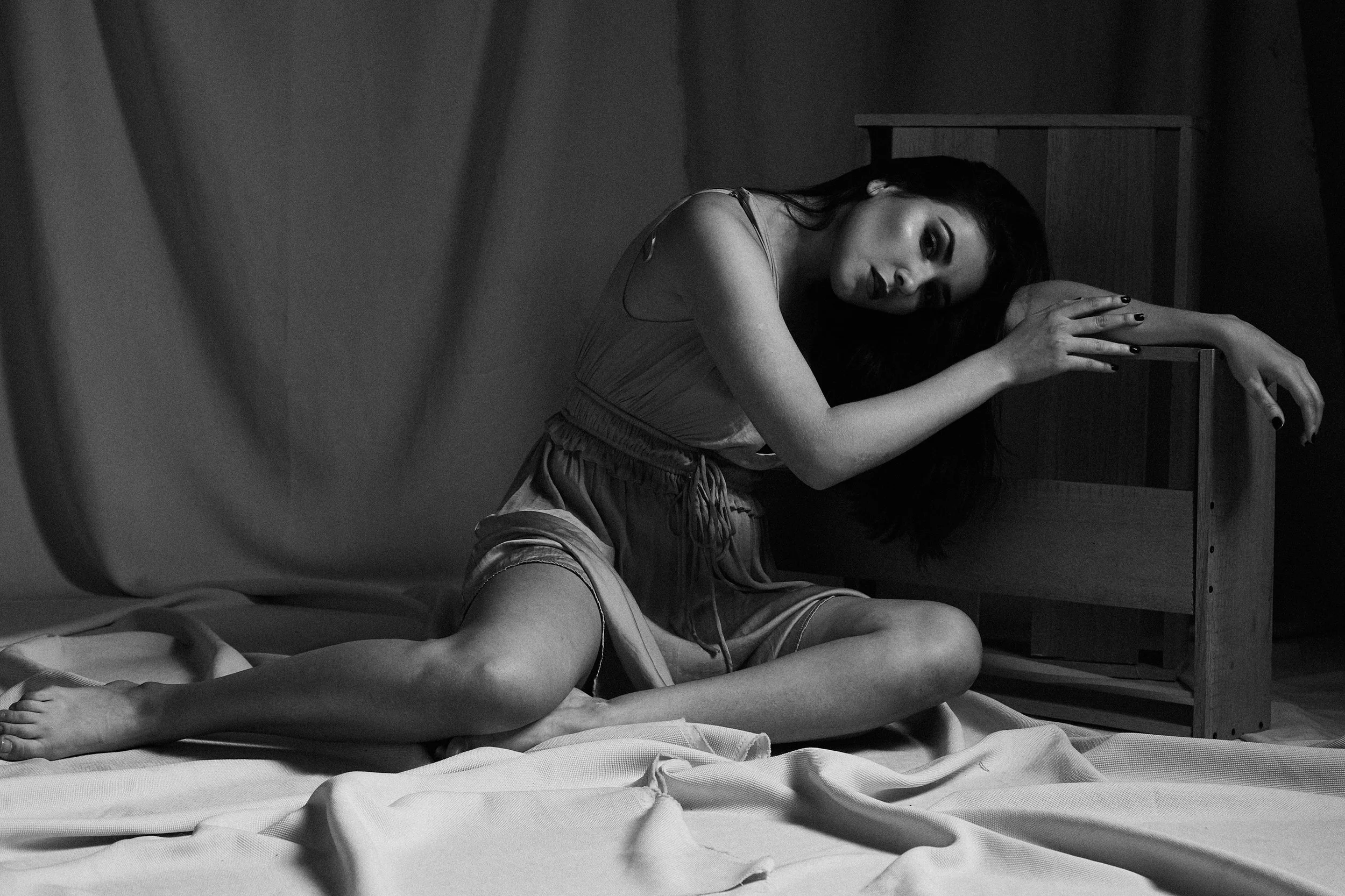
Copying is a Technical Exercise
Our experiences, relationships, successes, failures, travels, and personal growth inevitably influence the way we see the world. As our perspective evolves, so does our creative voice.
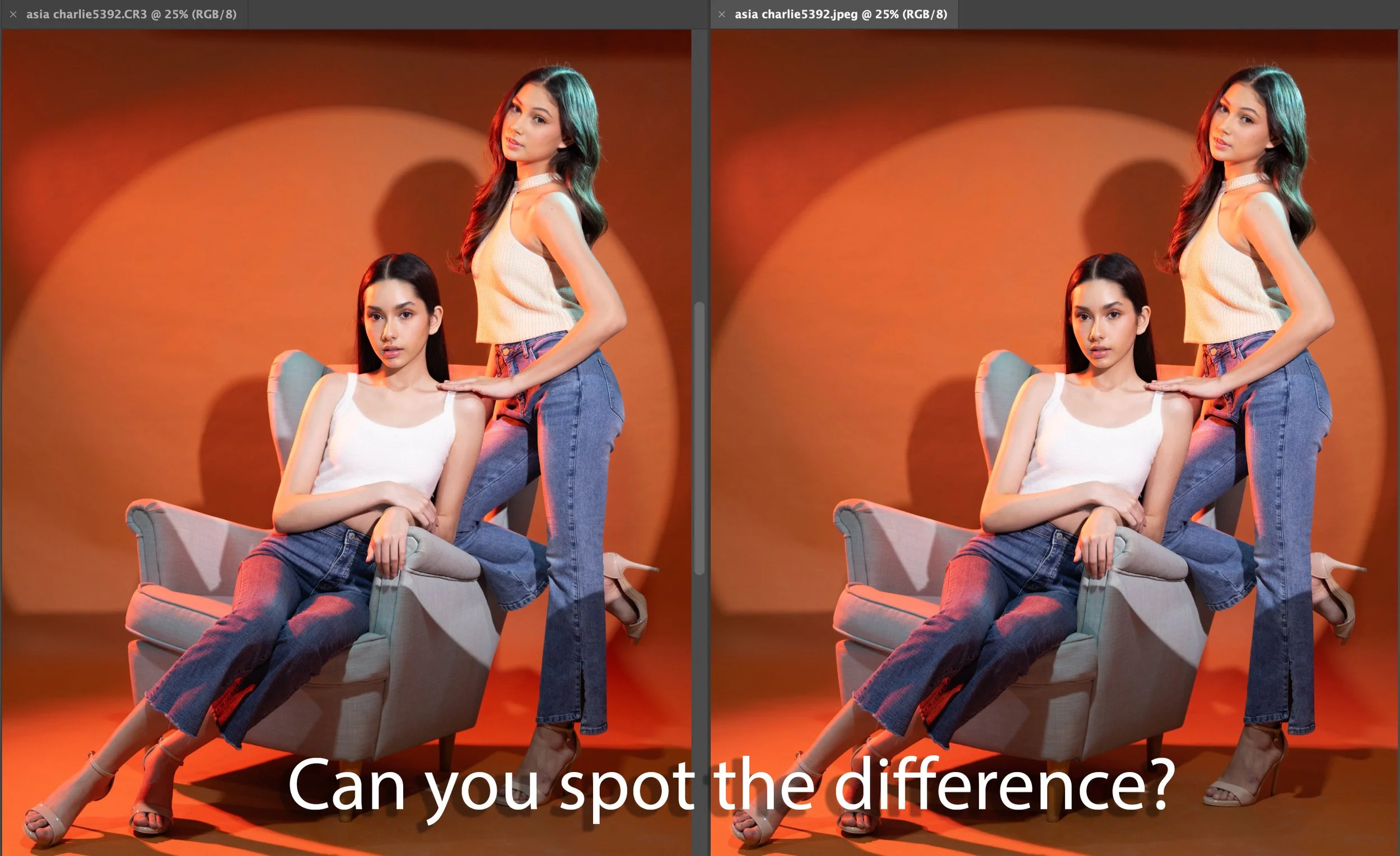
RAW vs JPEG
Recently, I came across a Facebook post by a photographer friend. Among the comments was one that immediately caught my attention:
“A true photographer only shoots JPEG.”
I was surprised when I read it. At the same time, it brought back memories of a period when RAW versus JPEG was one of the hottest debates in photography. If you’ve been shooting long enough, you’ve probably witnessed that discussion countless times.
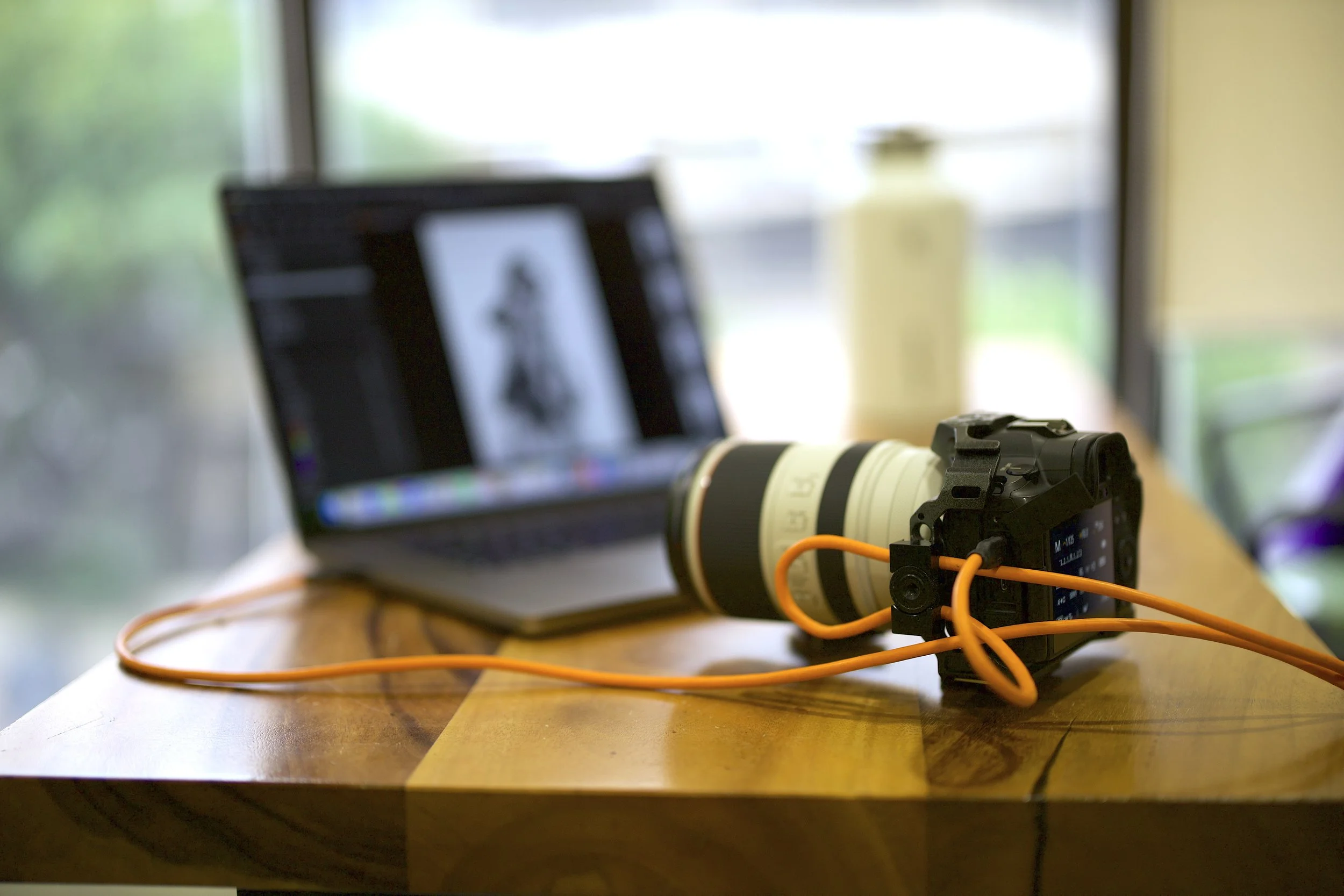
Why I Always Shoot Tethered
An orange cable dangling from your camera and connected to a computer—it looks inconvenient, restrictive, and sometimes even risky when people are moving around the set. Yet despite all of that, many photographers who are learning portrait photography and working in studio portrait photography still choose to shoot tethered. Why?
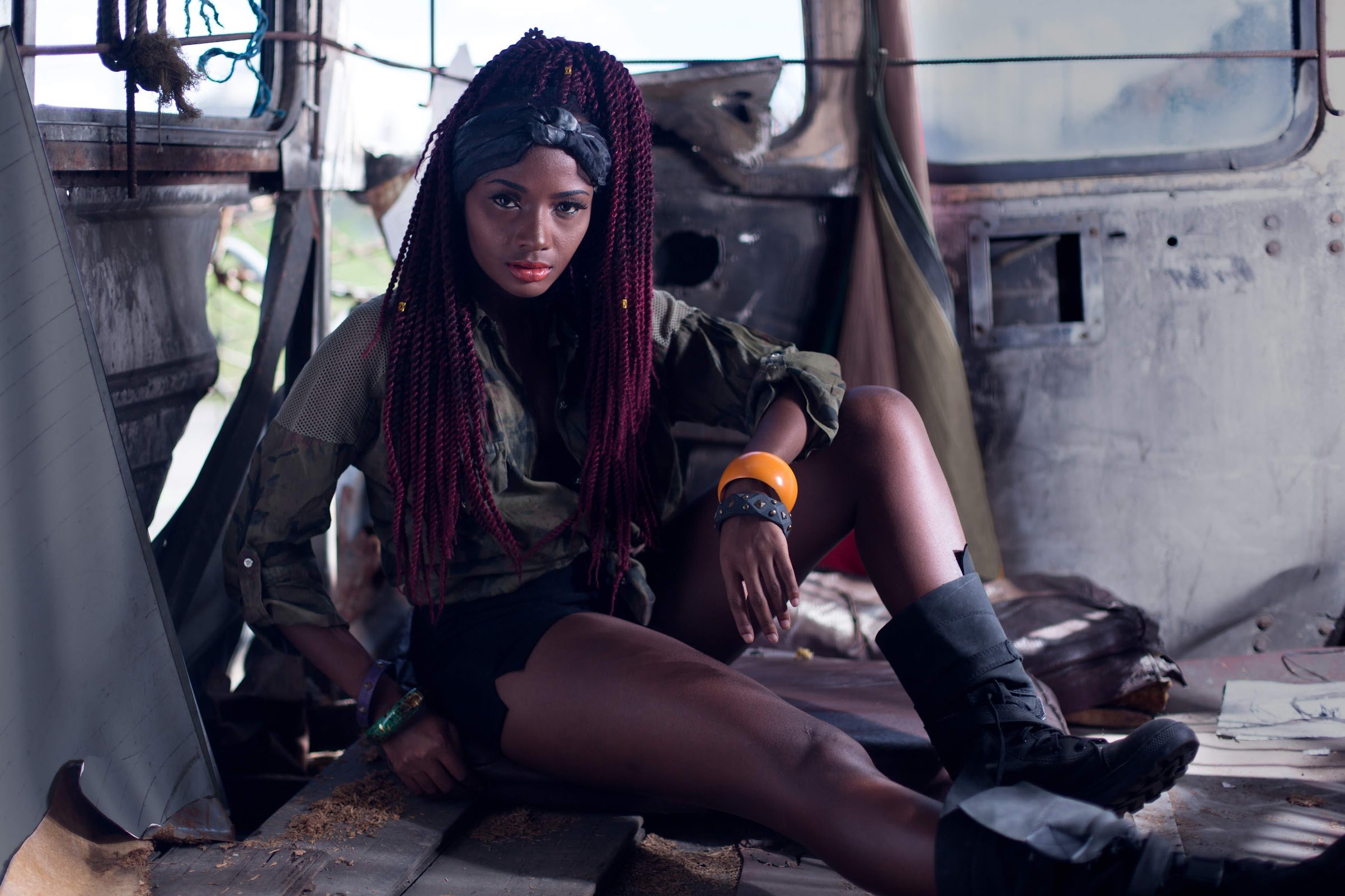
Finer Adjustments
The more you experiment with small adjustments, the more sensitive your eyes become to light. You begin to notice when a shadow is too heavy, when the highlight is too bright, or when the light simply does not match the mood you are trying to create. Over time, you gain more control because you learn to see what needs to be corrected.
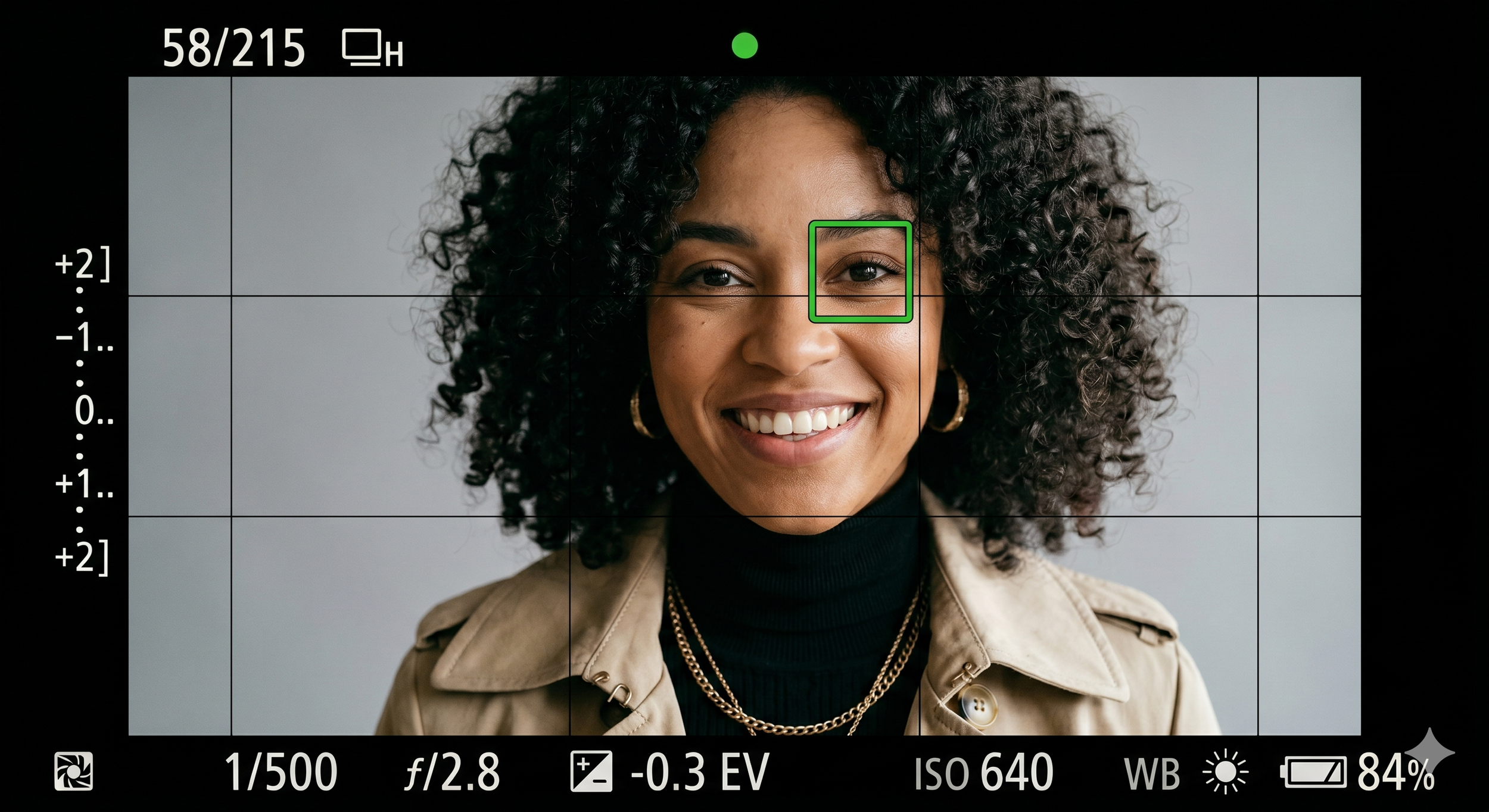
Why I Still Prefer the Viewfinder Over the LCD Screen
With the advent of digital cameras and LCD screens, many photographers no longer use the viewfinder as often. Instead, they compose their shots using the live display on the back screen. This approach has clear advantages, especially when shooting from very low or very high angles where using the viewfinder can be difficult or uncomfortable.
However, composing a shot through the viewfinder still offers a very different experience.
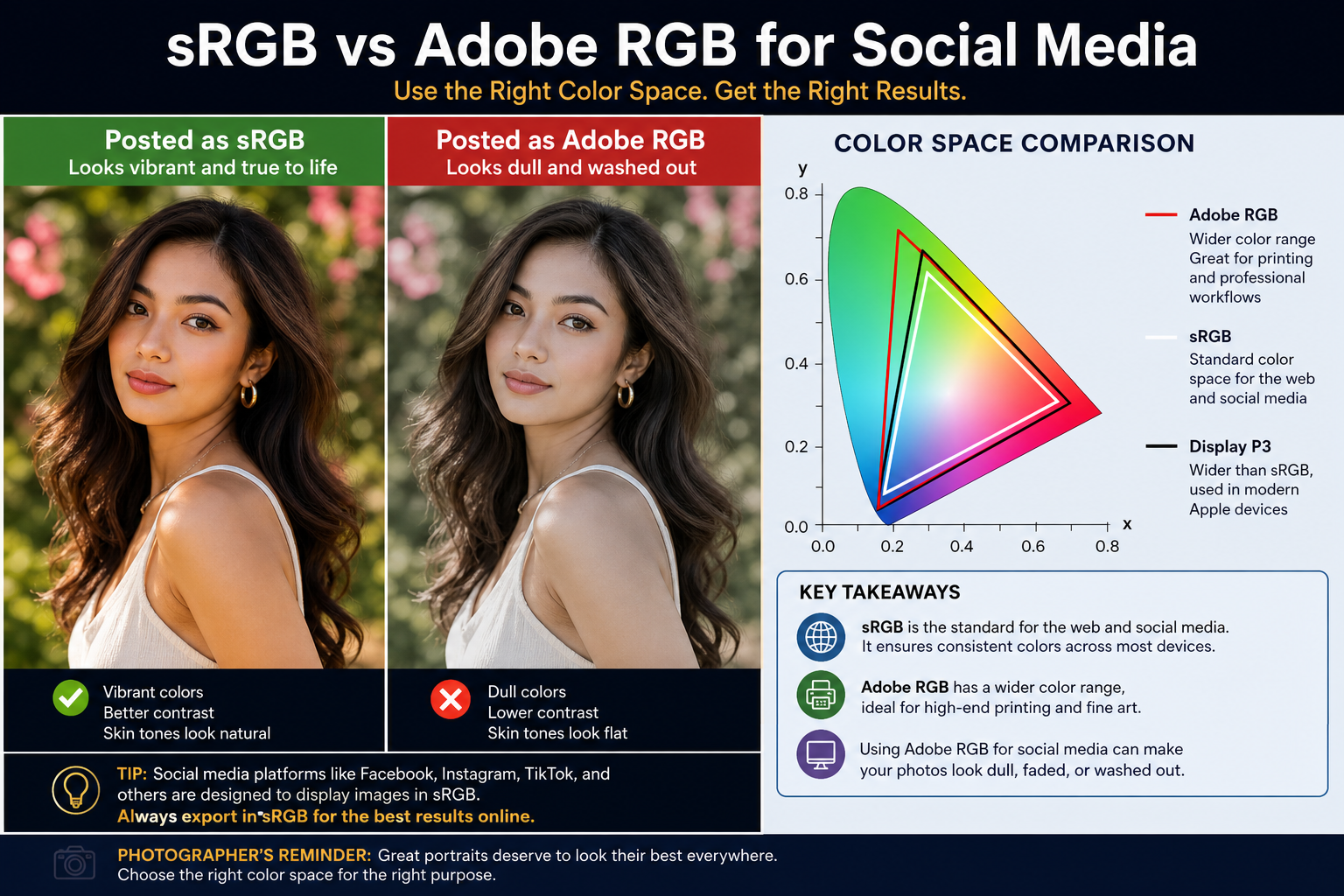
sRGB for Social Media
In this article, I’ll explain what a color space is and why it matters for social media platforms, especially for photographers who want to learn portrait photography and create professional-looking images online.

Why Mac?
Let’s get one thing out of the way first: yes, part of the appeal is image. Macs have become a symbol in creative industries. They look clean, minimal, and—whether we admit it or not—there’s a certain “cool factor” attached to pulling out a Mac in a studio or client meeting. Even my wife, who works in IT, prefers using a Mac. That says something.

Why Great Portraits Are Not Just About the Photographer
But here’s the truth many photographers only realize over time—creating a stunning portrait or fashion image isn’t just about lighting, gear, or technical skill. The model plays a massive role in the outcome of your image.
No matter how refined you are as a photographer, the model can either elevate your vision… or completely break it.
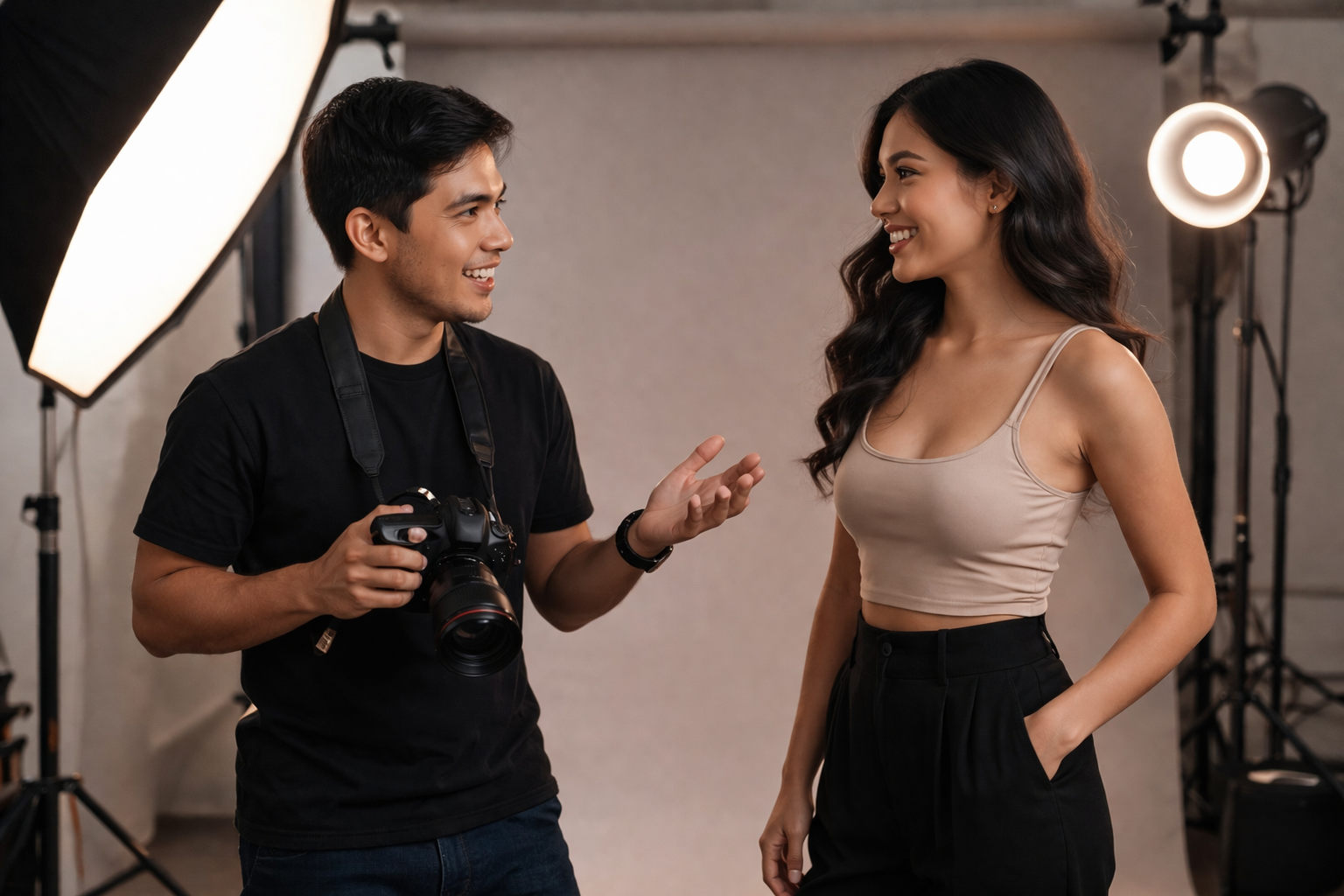
The Power of Rapport in Studio Portrait Photography
When everything was set, the model came into the shooting area. The photographer introduced himself, did a bit of small talk, then started giving instructions. I was honestly surprised. I wasn’t expecting that. Most beginner photographers would usually skip that part and go straight into shooting.
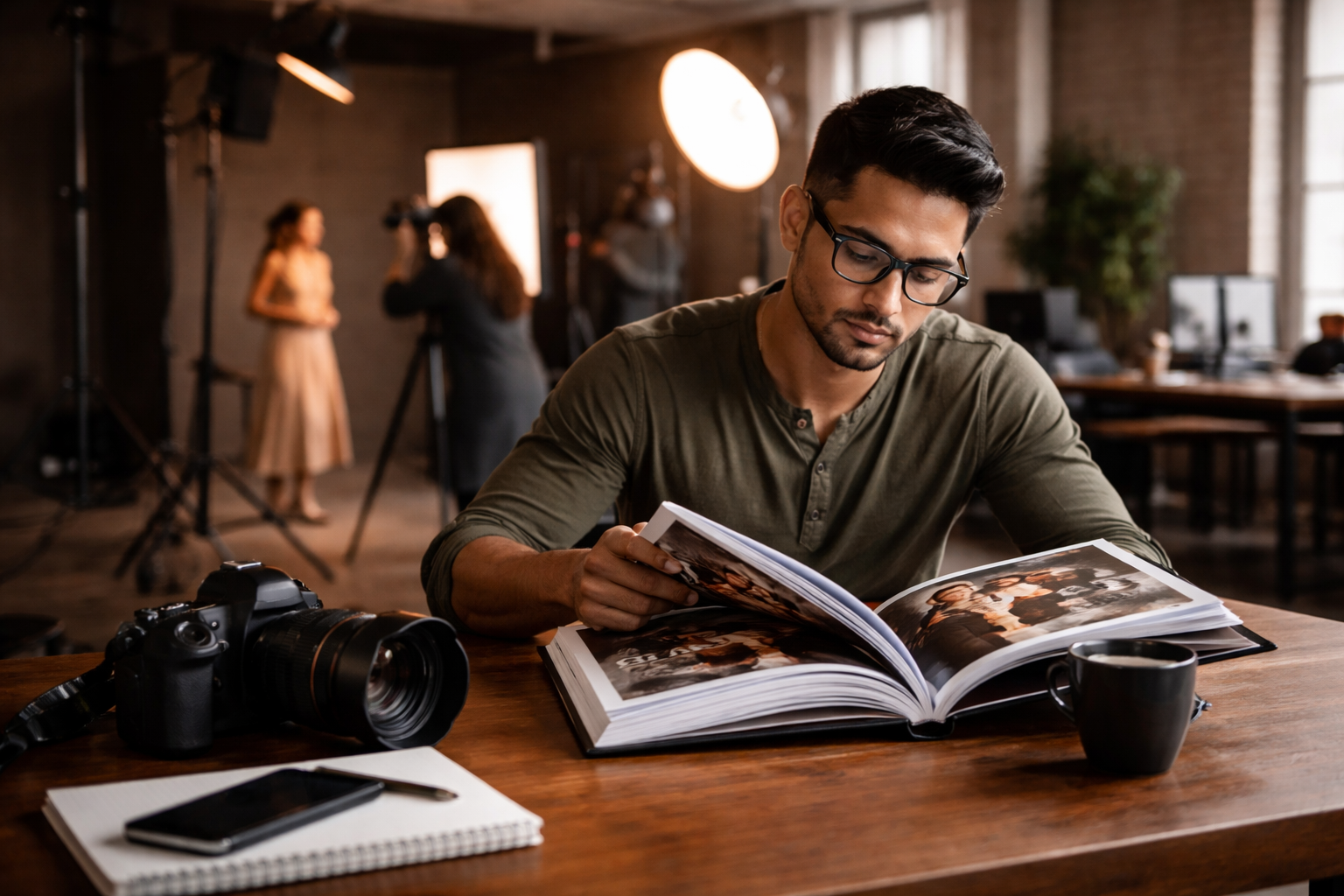
When You Don’t Feel Like Shooting: A Real Talk on Creative Slumps in Portrait Photography
There will be moments when you simply don’t feel like shooting.
I’m currently in that space.
I have a lineup of models waiting for me—ready, available, and probably wondering when we’ll finally shoot. From the outside, it might look like I’ve lost interest.
But the truth is, I just don’t feel the urge to pick up the camera.
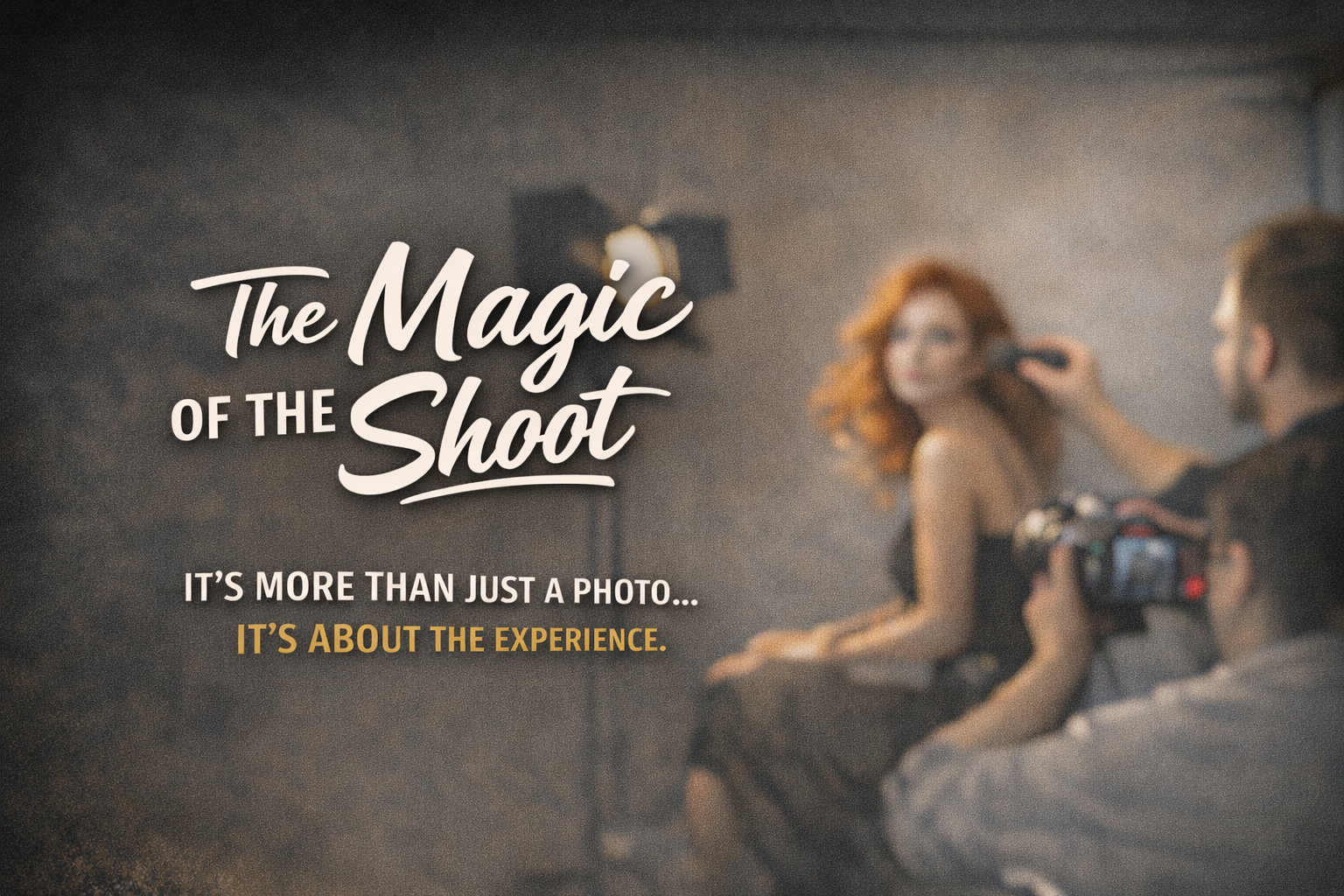
My Favorite Photo? It’s Actually the Shoot I Love Most
One of my students recently asked me a simple question during class:
“What photo do you love the most in your portfolio?”
At first, I thought it would be easy to answer. I immediately remembered several images that I really like—some because of the lighting, others because of the expression or the concept behind the shoot.
But as I tried to decide which photograph I loved the most, I realized something interesting.
It wasn’t actually the photo itself.
It was the shoot.
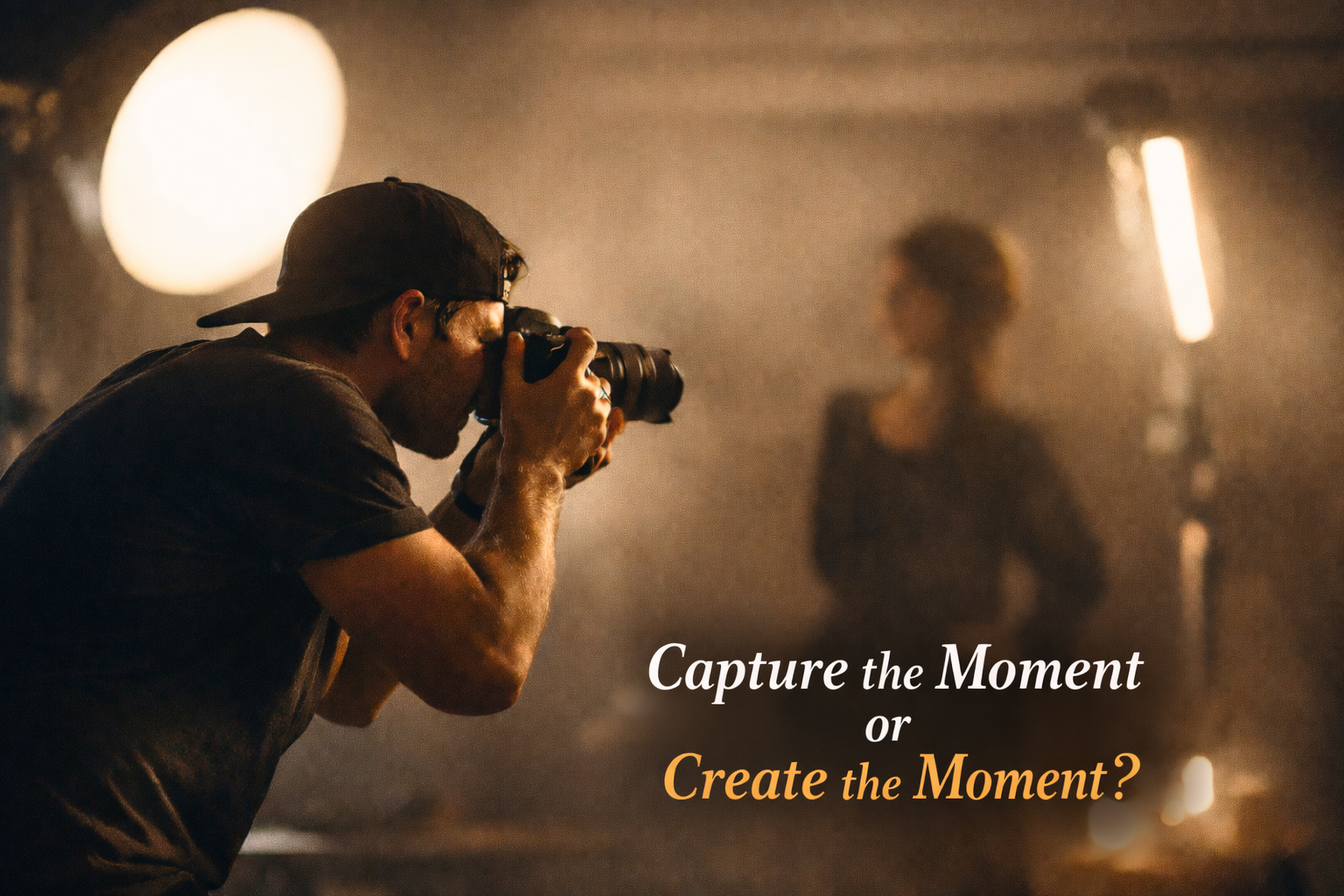
Capture the Moment or Create the Moment?
When I was starting out in photography, one of my biggest struggles was figuring out what genre truly fit me. I tried many different styles, exploring and experimenting, hoping to discover where I naturally belonged.